









Differences Between a Visa and a Study Permit
Thứ Ba - 02/12/2025
Understanding the difference between a visa and a study permit is essential for students planning to study in Canada. Although both documents are required for international students, they serve very different purposes. The overview below explains how each document works and what students need to know before entering Canada.
1. VISA: A visa is a travel document that authorizes the holder to enter Canada within the period of validity indicated on the visa. (For example: if a visa is valid from September 1 to June 30, the student may enter Canada at any time during that period.) The visa’s validity does not determine how long the holder is allowed to stay in Canada; it only determines the period during which the holder may enter Canada. Depending on the study program, a visa may be issued for 1 to 4 years, and may allow single-entry or multiple-entry. Visas are issued by the Canadian Consulate and must be renewed outside Canada if they expire.
2. STUDY PERMIT: A Study Permit is the document that authorizes the holder to stay legally in Canada for the specific purpose of studying. This document is issued by Canada Border Services Agency (CBSA) at the port of entry (airport) upon arrival in Canada. Its validity period is based on the duration stated in the school’s Letter of Acceptance. It can be renewed within Canada before it expires. To receive a Study Permit upon arrival at a Canadian airport, international students must report to the immigration counter and present the following documents:
- Letter of Acceptance
- Visa
- Transcripts
- Academic records
- Diplomas or certificates
- Identification documents
- Letter from the Consulate addressed to Canadian border officers
- And they may be required to answer a few questions
For tailored guidance and full assistance throughout your study-abroad journey, please contact us HERE:
Duc Anh EduConnect
Hotline: 09887 09698
Email: duhoc@ducanh.edu.vn
Website: www.ducanhduhoc.vn
Bài viết liên quan

Bạn đủ điều kiện nhận học bổng 20% – 50% hay 100% của Deakin University?
Năm 2026, du học Úc không còn chỉ là chọn một điểm đến, mà là lựa chọn đúng trường – đúng ngành – đúng học bổng để tối ưu chi…
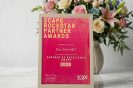
Đức Anh EduConnect tự hào năm thứ 2 liên tiếp nhận GIẢI THƯỞNG CAO NHẤT từ Scape Student Accommodation
Đức Anh EduConnect vừa vinh dự được trao “Partner of Excellence Award 2026” – giải thưởng cao nhất nhằm tôn vinh các đối tác xuất sắc trong mạng lưới toàn…

Chúc mừng Arizona State University thăng hạng ấn tượng!
Trong bảng xếp hạng của U.S. News & World Report graduate rankings 2026, ASU đã ghi dấu ấn mạnh mẽ với 11 chương trình lọt TOP 10 tại Mỹ –…

Thông tin về Bond University, Úc
1. Phụ huynh và học sinh sinh viên vui lòng kiểm tra thông tin cập nhật nhất tại trang web của trường: www.bond.edu.au/ 2. Địa điểm: TP Gold Coast, Queensland – cách…
Thông tin về Central Queensland University, Úc
1. Phụ huynh và học sinh sinh viên vui lòng kiểm tra thông tin cập nhật nhất tại trang web của trường: www.cqu.edu.au/ 2. Địa điểm: CQU là một trong những…
Thông tin về Torrens University Australia, Úc
1. Phụ huynh và học sinh sinh viên vui lòng kiểm tra thông tin cập nhật nhất tại trang web của trường: www.torrens.edu.au 2. Địa điểm: Sydney (NSW): trung tâm CBD,…